
EP Marine & Rail Blog

The Next Chapter for Our UK Ports and Harbours
The future of UK port infrastructure isn’t simply about building bigger. From Aberdeen to Ardersier, successful investment means balancing operational needs, economic opportunity, environmental responsibility and the communities around our ports.
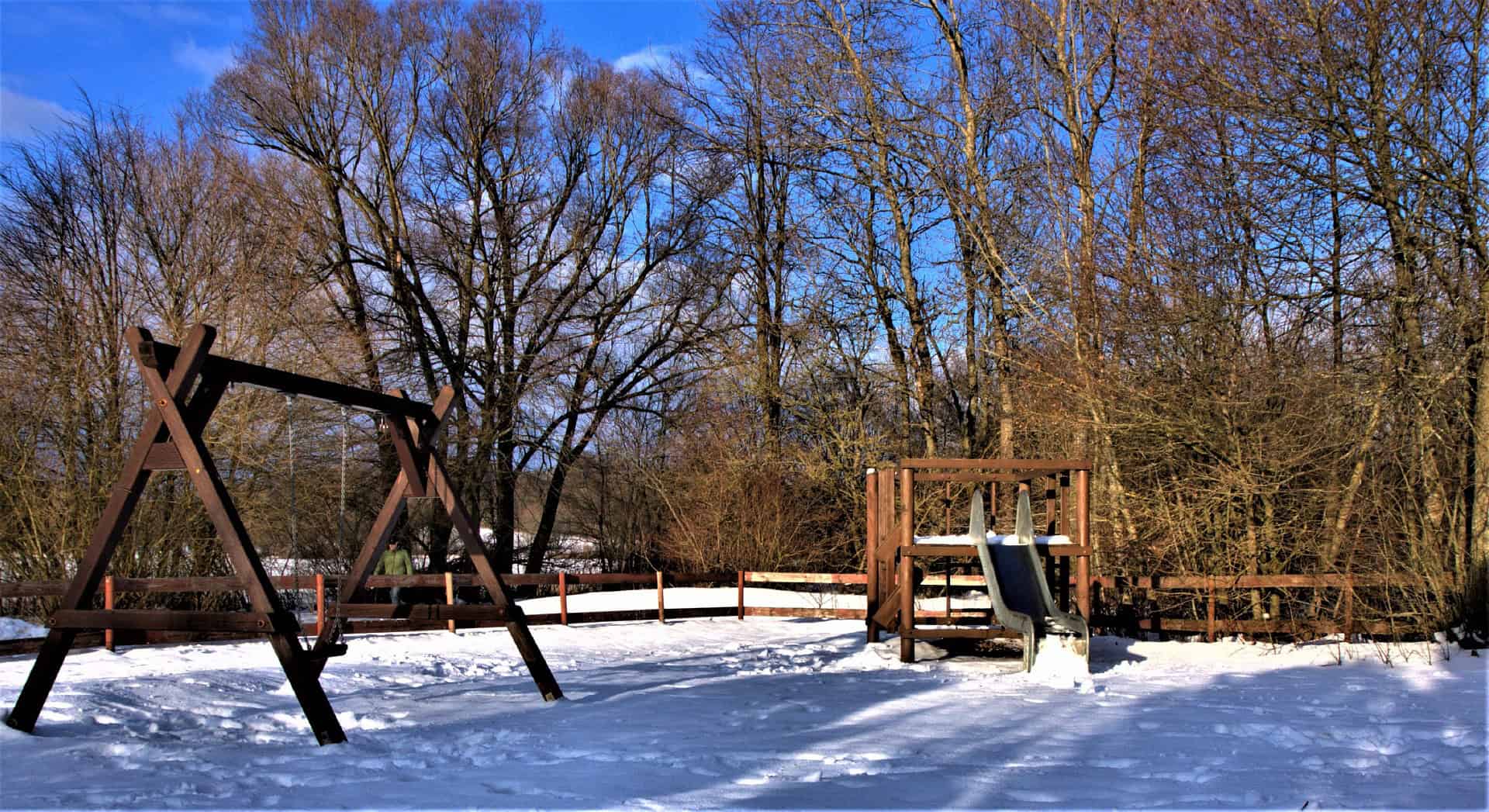
Playground Timber Inspection: Helping Councils Keep Community Playgrounds Open
When a community playground closes because nobody knows the condition of its timber supports, councils face difficult decisions. Specialist playground timber inspection can provide the clear evidence needed to decide whether to repair, reinforce, replace or reopen.
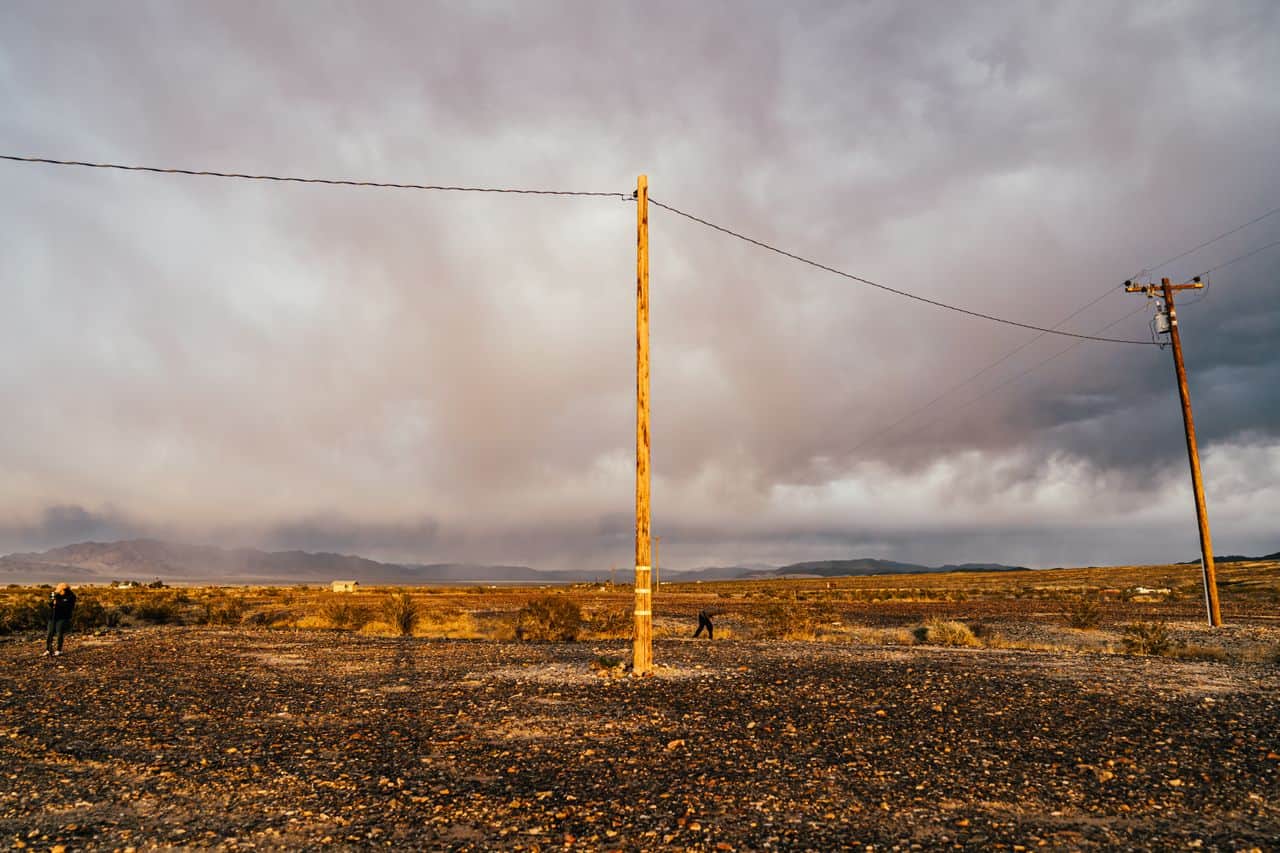
When Pole Reinforcement Is No Longer a Last Resort
Utility wood pole reinforcement is becoming an increasingly important option for DNOs managing ageing networks. With years of experience assessing and reinforcing thousands of poles, EP Marine & Rail helps identify which poles can be safely retained, strengthened and returned to service.

Future-Proofing UK Ports: Infrastructure, Investment and the Need to Plan Ahead
The UK has a major opportunity to build on its maritime and engineering heritage. Discover why UK port infrastructure could play a critical role in the energy transition, supporting offshore energy, industrial growth, skilled employment and stronger coastal economies.

Wood Pole Testing for Playgrounds, Adventure Parks and Recreational Structures
A playground or adventure attraction can close simply because nobody knows the condition of the timber supporting it. But what if the timber is in much better condition than expected? Discover how wood pole testing can help asset owners assess timber supports, establish residual strength and make better decisions about safety, maintenance and replacement.

The Bollard Was Fine – It Was The Jetty Which Was Moving
A routine marine bollard assessment uncovered an unexpected issue: the bollard was performing as expected, but the supporting jetty was moving beyond acceptable limits. This real-world case study explores why effective jetty inspection goes beyond individual assets, the engineering principles behind structural behaviour, and what helicopters and the famous ‘Galloping Gertie’ bridge can teach us about understanding movement under load.
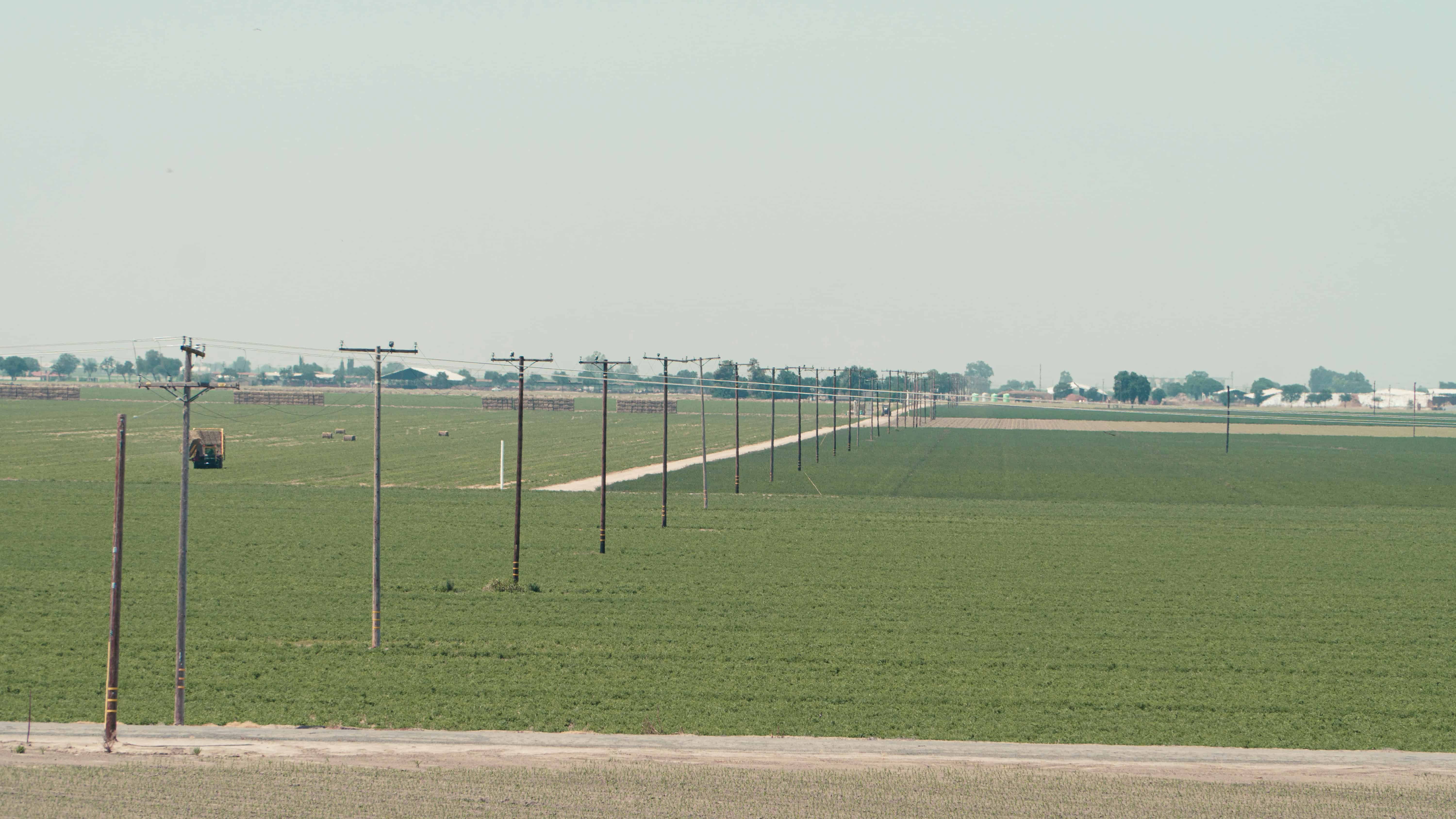
Wood Pole Asset Management: Managing Ageing Networks
Effective wood pole asset management combines inspection, structural assessment and engineering data to help DNOs and telecoms providers make informed decisions about ageing networks, risk and asset life extension.
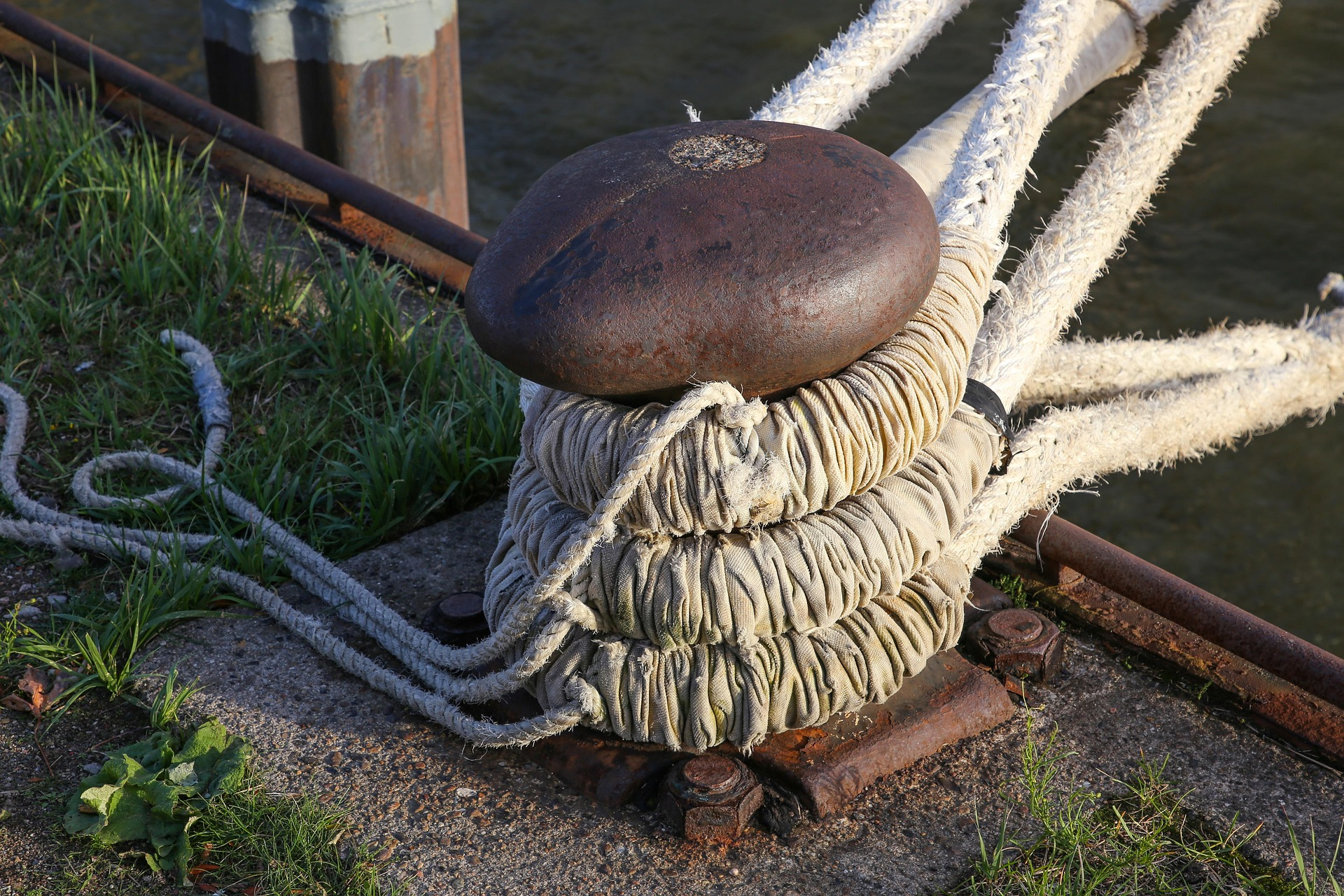
When Marine Bollard Certification Is Missing: Making Confident Engineering Decisions
When marine bollard certification is unavailable, ports need reliable evidence to make confident decisions. Discover how non-destructive assessment helps verify asset condition, safe working loads and future operational planning.
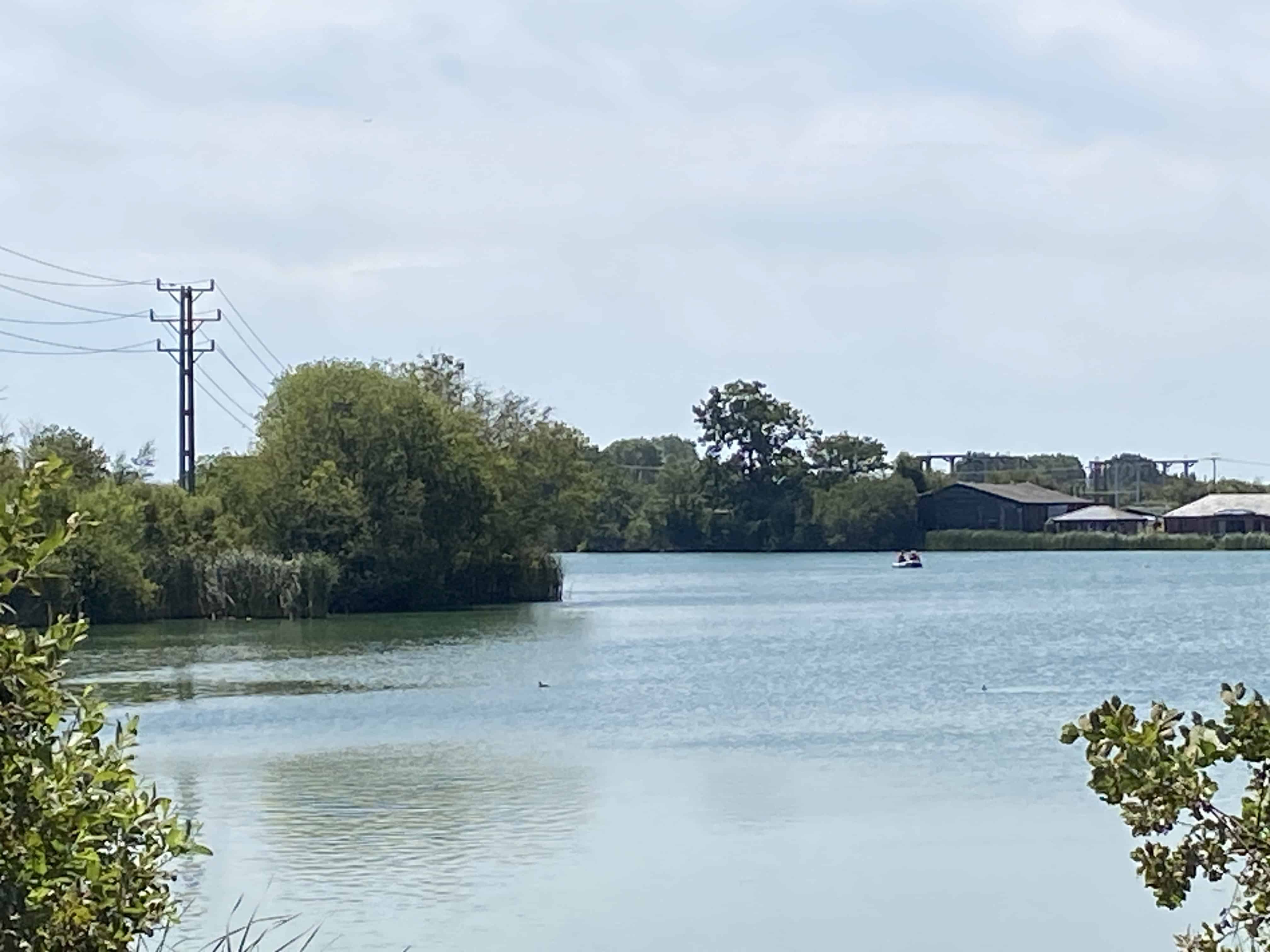
Wood Pole Inspection: Assessing Utility Poles in Water
Every wood pole inspection presents its own challenges. This case study explores how adapting inspection techniques for a utility pole located in water provided the reliable condition data needed to support safe, informed engineering decisions.

Commercial Marine Bollards: From Timber and Stone Mooring Posts to the Ports of Tomorrow
Discover how commercial marine bollards evolved from simple timber posts into today’s engineered mooring systems, supporting safer, more resilient ports.

Wood Pole Residual Strength: The Measure of Structural Capacity
How wood pole residual strength and structural capacity are assessed using PASS ground-line measurement for fitness for service decisions.

Concrete Cancer in Harbour Infrastructure: The Hidden Threat Beneath Mooring Bollards
Concrete cancer is one of the most common hidden risks affecting ageing harbour infrastructure. At EP Marine & Rail, we regularly uncover deterioration beneath apparently sound marine assets using advanced non-destructive testing techniques. Discover why visual inspections alone are no longer enough and what lies beneath critical mooring infrastructure.

Case Study: How We Extended Wood Pole Service Life Across 50,000+ Utility Poles
Across major UK network programmes, we have assessed more than 50,000 wood poles using our PASS protocol. The results show that many poles classified for replacement can remain safely in service with accurate structural assessment and targeted reinforcement. In some cases, reinforcement can significantly extend wood pole service life while reducing unnecessary replacement activity, improving efficiency, and supporting more sustainable asset management decisions.
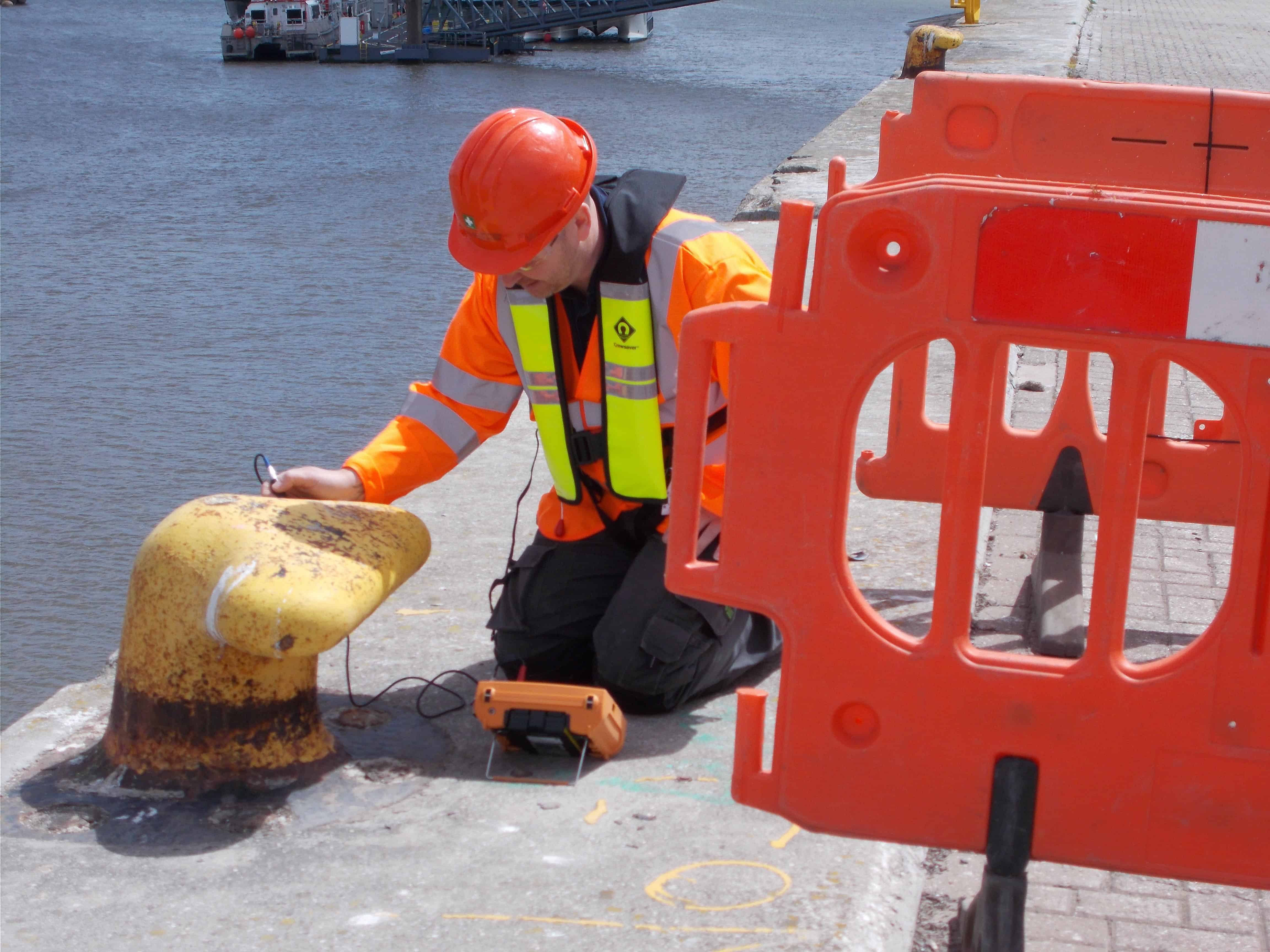
Marine Bollard Failure: The Science Behind Corrosion & Collapse
A recent inspection highlighted how marine bollard failure develops long before it becomes visible at the surface. This article breaks down the science behind chloride ingress, anchorage degradation, and load transfer breakdown in marine infrastructure.
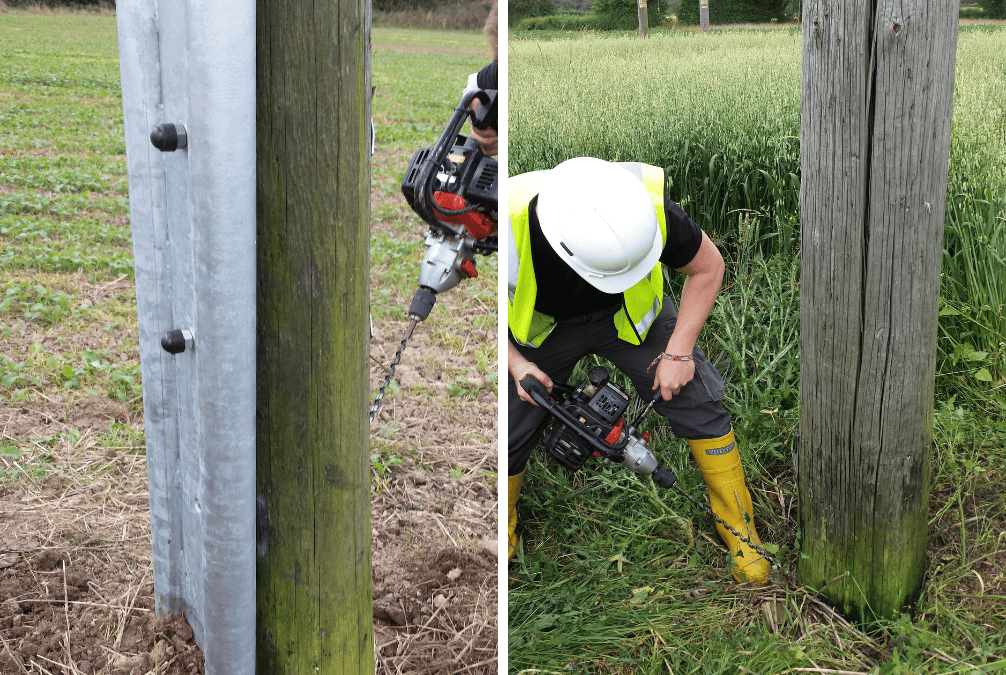
Why Wood Pole Reinforcement Is Becoming Essential for UK Utility Networks
Wood pole reinforcement is becoming a practical alternative to full pole replacement, helping UK utilities improve network resilience, reduce outages, and extend asset life under growing supply and cost pressures.
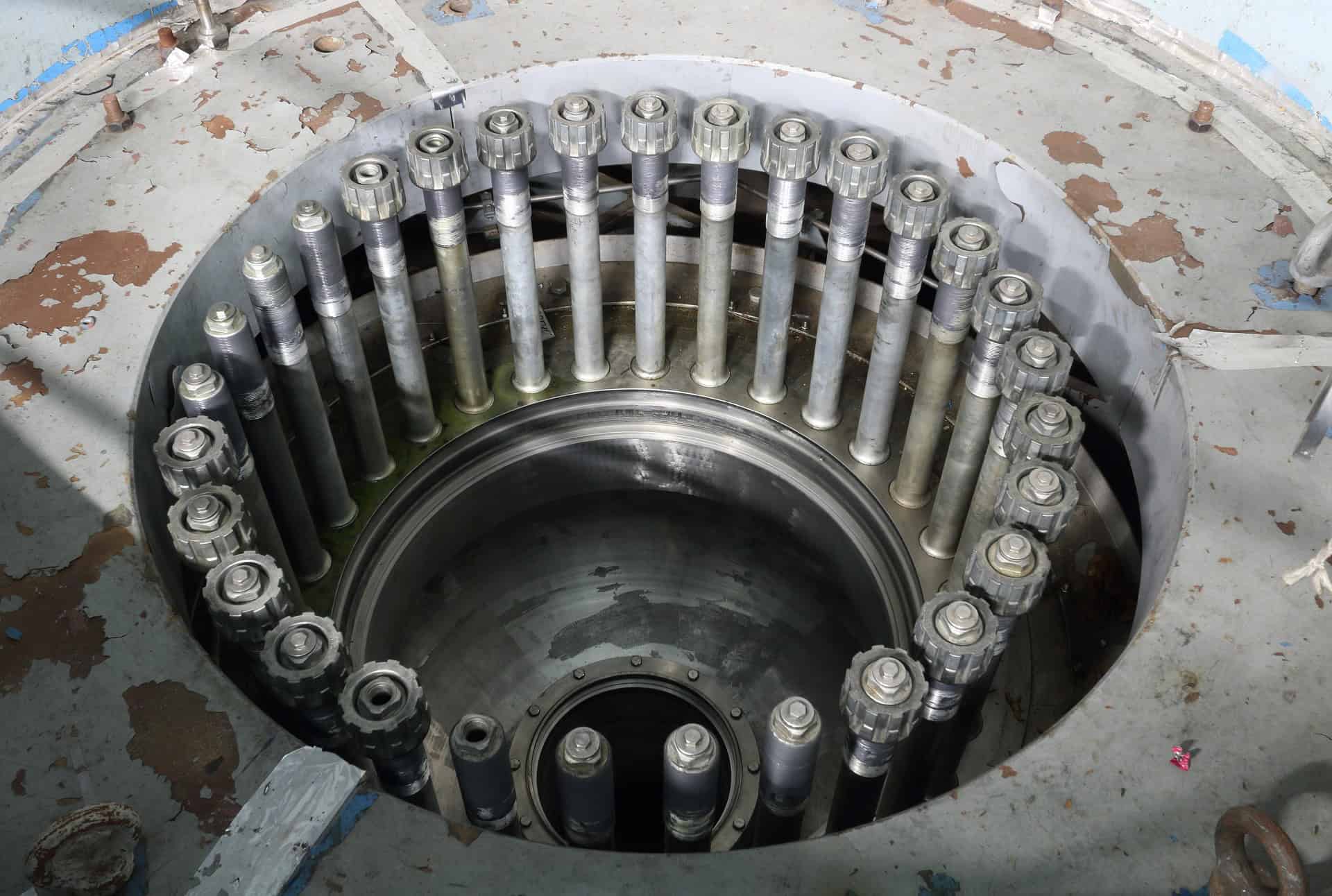
Marine Bollard Inspection: From Nuclear Engineering Origins to Port Safety
A technical overview of marine bollard inspection using non-destructive testing methods to identify hidden structural risks in ageing port infrastructure.

Wood Pole Inspection and Testing: Data-Led Decisions
Wood pole inspection and testing backed by over 20 years of field experience. This article explores how PASS and RSV improve assessment accuracy and reduce unnecessary pole replacements across overhead line networks.

Cruise Ship Berth Requirements – Is Your Port Ready and Able?
Ports are under growing pressure to prove they can meet modern cruise ship berth requirements through verified infrastructure capacity and mooring bollard integrity.
Speak to our team about your project
Asset Assessment Coordinator: Kate Hartley
Tel: 0161 706 2910
20 Swan Street, Manchester, M4 5JW
Our Promise
- Every enquiry is reviewed by a qualified engineer or technical lead
- We respond within one working day
- All conversations are confidential and obligation-free