
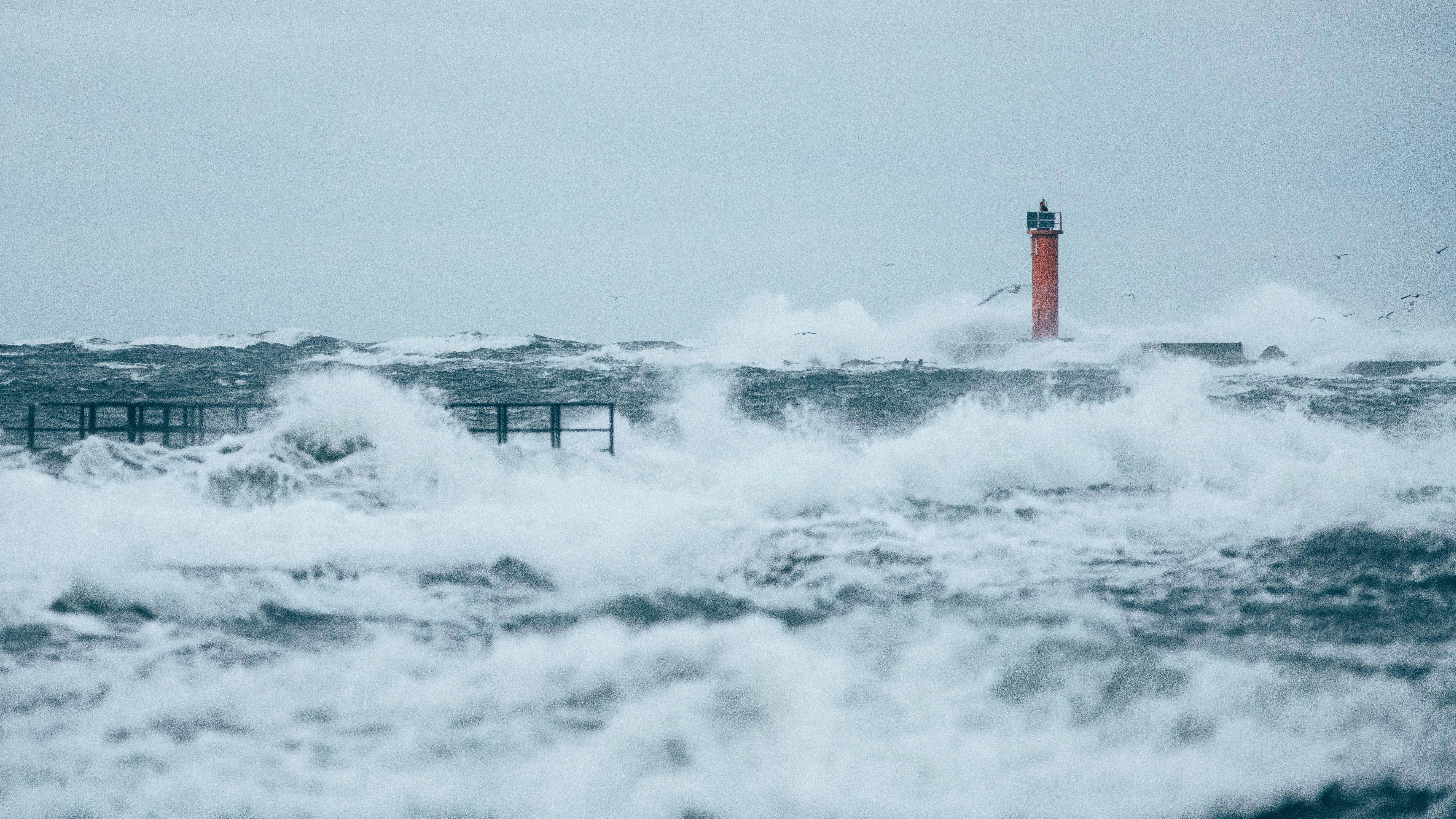
Harbour walls are vital for safe port operations, yet harbour wall collapse remains a significant risk. Meanwhile, these failures rarely happen suddenly; they usually result from a combination of progressive deterioration and loading that exceeds the wall’s capacity.
Understanding the root causes is essential for engineers, harbour authorities, and operators who want to maintain safety, minimise downtime, and comply with standards.
Primary Causes of Harbour Wall Collapse
Scour at the Toe and Foundations
Scour is one of the most common contributors to harbour wall collapse. Tidal currents, propeller wash, and storm surge remove supporting material at the base of walls over time. Consequently, load paths change, bearing capacity reduces, and differential movement increases.
Often, these changes occur below water level, hidden from routine inspection, until cracks or displacement appear. Using non-destructive assessment methods helps identify scour before it triggers collapse.
Washouts and Loss of Backfill
Harbour walls rely on stable backfill to resist lateral forces. Water ingress through joints, cracks, or failed drainage systems can gradually wash out material behind the wall. Furthermore, backfill loss leads to void formation, increased hydrostatic pressure, and reduced passive resistance.
Older masonry and mass concrete walls without modern drainage are particularly vulnerable. Regular assessment ensures small issues don’t escalate into catastrophic failure.
Voids and Subsurface Degradation
Voids behind or beneath a harbour wall frequently go undetected. They may result from historic utility trenches, prior repairs, or material degradation. Consequently, load transfer becomes unpredictable, increasing the likelihood of cracking, rotation, or harbour wall collapse under storm or operational loading.
Material Deterioration
Marine environments are aggressive. Freeze–thaw cycles, chloride ingress, and corrosion attack embedded metalwork over decades. Even walls that look sound on the surface may have significantly reduced structural capacity.
Non-destructive testing can evaluate internal integrity, providing evidence-led data to prevent failure.
Increased Loading Beyond Original Design
Many harbour walls were designed for vessels and mooring loads far smaller than those today. Consequently, larger ships, higher mooring line tensions, and more extreme weather events can push walls to their limits as we’ve witnessed recently across the southwest as Storm Ingrid laid bare the previously hidden weaknesses.
Combined with hidden degradation, these loads often trigger harbour wall collapse that appears sudden but is the result of long-term stress accumulation.
Why Collapse Often Appears Sudden
To operators, failure can feel abrupt. In reality, it reflects progressive degradation combined with a triggering event, such as a storm surge. Meanwhile, proactive, evidence-based assessment detects risk long before visible distress occurs.
Assessing Risk Before Failure Occurs
Modern non-destructive techniques, aligned with ISO and PIANC guidelines, allow engineers to:
- Detect scour and foundation anomalies
- Identify voids behind walls
- Evaluate material integrity and embedded fixings
Consequently, targeted interventions can be planned, reducing downtime and repair costs while improving operational resilience.
Final Thought
Harbour wall collapse is rarely caused by a single factor. Scour, washouts, voids, material degradation, and increased loading often act together. Meanwhile, understanding these mechanisms and assessing them accurately is key to protecting infrastructure, operations, and reputation.