
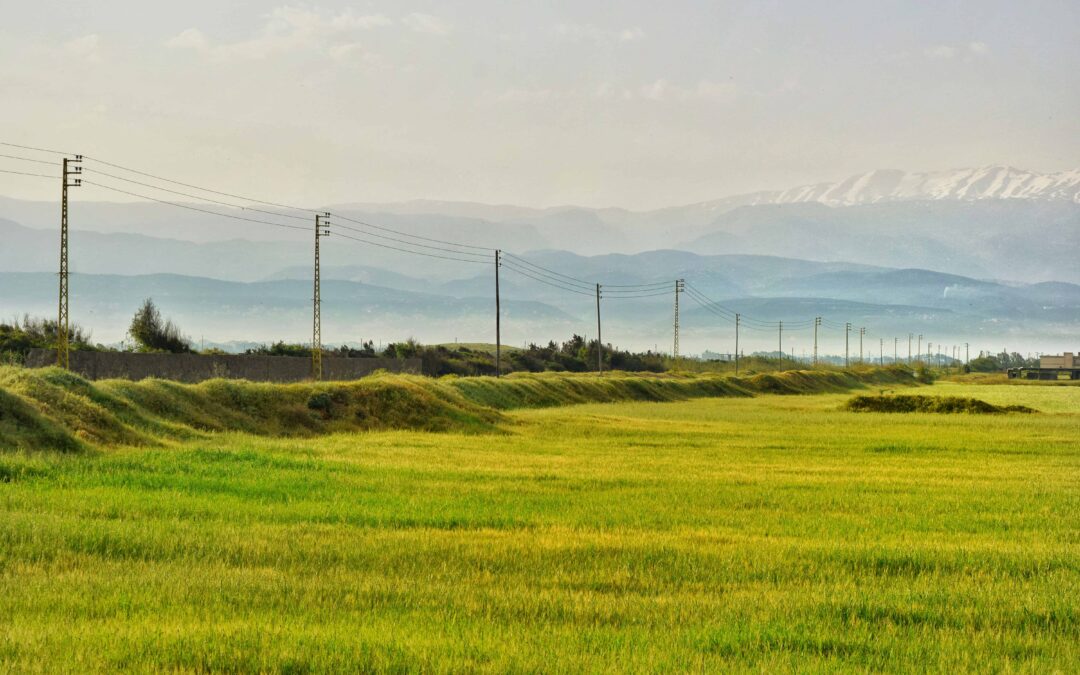
Wooden utility and overhead line poles are remarkable pieces of engineering. They stand tall through decades of wind, rain, frost, heat, and even the occasional collision, but like any material exposed to the elements, they’re not impervious. At EP Marine & Rail, we see first-hand how environmental stress affects pole health. Therefore, understanding these seasonal impacts is key to keeping your networks safe, reliable, and cost-effective through regular overhead line pole inspection.
Why Seasonality Matters
The majority of wood pole deterioration happens at or just below ground level. This is where moisture, soil, and biological activity combine to create a perfect environment for decay. Our assessments show that up to 90% of rot occurs at ground line to roughly 100 mm below, making this zone critical to inspect.
Moisture is the primary driver of decay. When wood absorbs water from rain or high humidity, its internal moisture content rises. Consequently, if the wood remains above the fibre saturation point – the level at which free water is available inside the cells – it becomes an ideal environment for fungi to thrive. Fungal growth breaks down the wood’s structural fibres, reducing strength and, over time, compromising the pole’s ability to withstand wind, ice, and load stresses.
Temperature also plays a role: decay fungi grow most effectively between roughly 5°C and 65°C. Seasonal variations, such as warm, wet summers or mild, humid winters, can accelerate this process. On the other hand, prolonged dry periods can temporarily slow decay, but they can also create micro-cracks, which later allow water ingress and localised weakening.
Seasonal Stressors to Watch
- Rain and high humidity: Continuous wetting raises wood moisture content, particularly at ground line, promoting rot. Poor drainage or compacted soil can exacerbate the problem.
- Frost and freeze-thaw cycles: Water trapped in small cracks expands as it freezes, widening fissures in the wood. Repeated cycles weaken the pole structure over time.
- Heat and sun exposure: Intense sunlight dries the wood’s outer layers, which can shrink and crack. Internal moisture fluctuations between hot days and cooler nights can stress the fibres.
- Wind and storms: High winds apply lateral loads to poles. If decay has compromised the base, poles can fail suddenly. Ice storms can combine the effects of weight and cold, further challenging weakened structures.
These environmental impacts are not just theoretical – they translate directly into safety and service risks. A weakened pole can topple, disrupt networks, or cause damage to nearby property, which is why accurate and timely overhead line pole inspection is so critical.
Practical Inspection Tips
Seasonal insights inform how we inspect and maintain poles:
- Target the critical ground-line zone: At EP Marine & Rail, we drill three 10 mm diameter holes at 45° around the pole’s circumference to check for internal decay. This area is where 90% of rot develops.
- Visual checks complement technology: Look for woodpecker activity, cracks, external rot pockets, or leaning poles. These signs often indicate deeper issues affecting overhead line pole inspection results.
- Use data-driven analysis: Our handheld software combines structural information with line loading, span length, and other operational factors to calculate the Remaining Strength Value (RSV) and assess “fitness for purpose.”
- Plan inspections by season: After wet winters or storm-heavy periods, focus inspections on moisture-exposed areas. Meanwhile, post-summer inspections can reveal UV or heat-related stresses.
Maintenance Insights
Seasonal awareness informs proactive maintenance:
- Moisture management: Ensure proper drainage around pole bases and clear vegetation that traps water.
- Rot treatment: Where decay is detected early, cost-effective reinforcement or paste injection can extend pole life by up to 20 years.
- Replacement decisions: Poles showing significant structural compromise, particularly at ground line, should be replaced promptly to avoid sudden failures during storms.
Regular, scientifically guided inspections not only prevent costly failures – they also reduce unnecessary replacements. Evidence from North America of over 200 million wood poles shows that using targeted drilling and software-assisted analysis can save up to 60% of S poles and 30% of D poles from premature replacement.
The Bottom Line
Seasonal conditions – rain, frost, heat, and wind – are relentless stressors for wood poles. The combination of moisture, movement, temperature fluctuations, and biological activity can gradually undermine structural integrity if left unchecked. At EP Marine & Rail, our assessment methodology ensures you understand exactly what’s happening inside each pole, enabling informed maintenance decisions that protect your network through accurate overhead line wood pole inspection.
Proactive inspection, seasonal awareness, and data-driven analysis are your best tools for extending pole life and reducing the risk of failure – because with wood poles, what you can’t see can hurt you.
If you’d like a clearer picture of your network’s wood pole health, we’re happy to help. Whether it’s a site visit, a quick call, or a bespoke quote, we’ll talk through your options and share what’s really going on with your poles.