
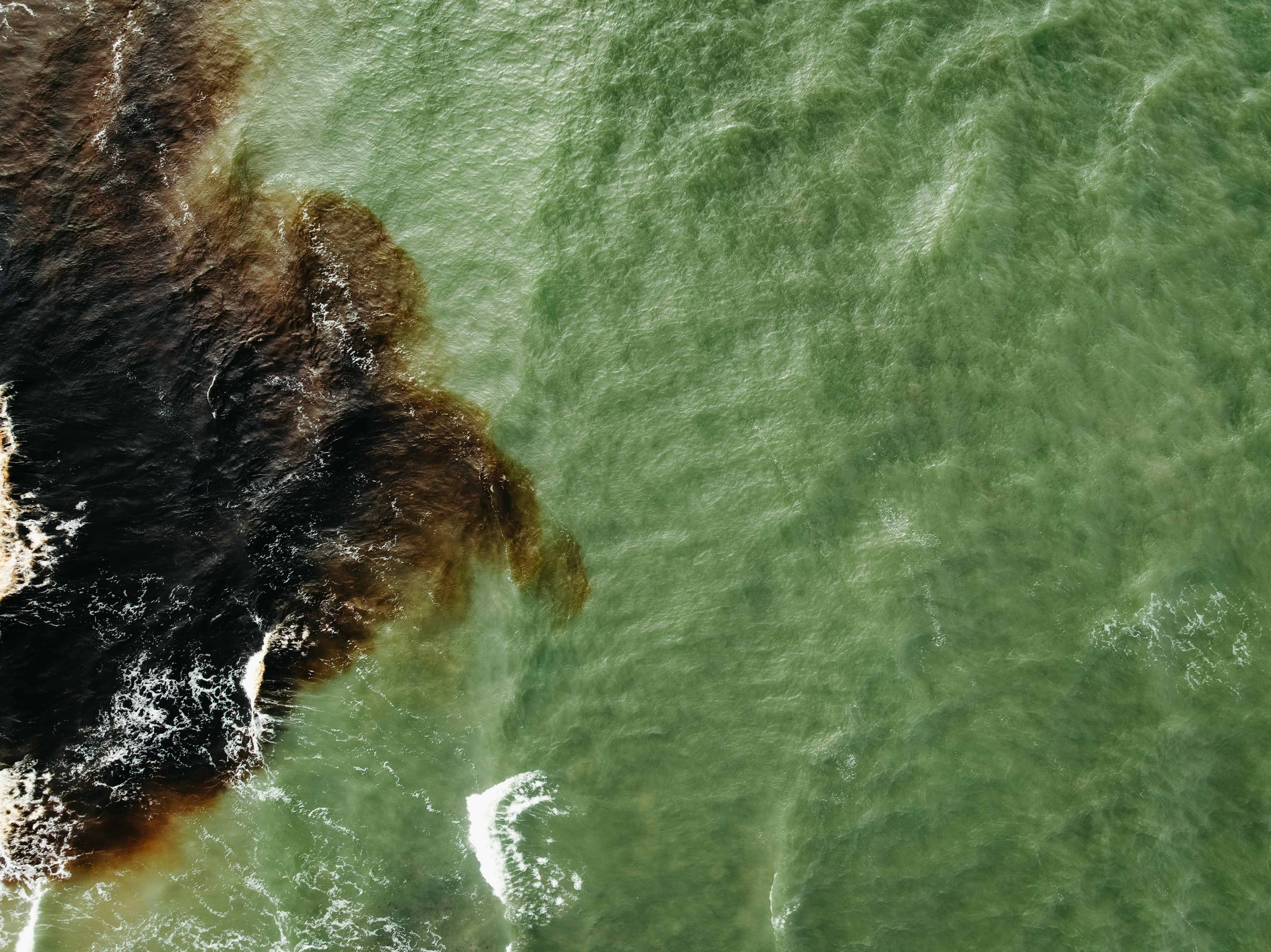
When ships are attacked in the Strait of Hormuz and oil leaks threaten the marine environment, we are reminded just how vulnerable our seas can be. Maritime incidents can have consequences far beyond the ships and crews themselves, putting lives, livelihoods and coastlines at risk.
Conflict, human error, equipment failure and changing conditions all bring risks to marine operations. No safety framework can eliminate every hazard, but identifying risks and preparing for their consequences can make a meaningful difference.
That’s the thinking behind the UK’s Ports and Marine Facilities Safety Code (PMFSC), which provides a framework for managing port marine safety.
The important thing is how that framework works in practice. Does it reflect the realities of the harbour, its people and its infrastructure?
Why do we need a Port Marine Safety Code?
The Code was introduced in 2000 following lessons from the Sea Empress grounding in 1996. The disaster prompted a review of the Pilotage Act 1987. It also helped drive calls for a consistent approach to safety across UK ports and marine facilities.
Government and maritime industry representatives helped develop the Code. It sets expectations for accountability, risk management and ongoing review. The Maritime and Coastguard Agency (MCA) publishes the current edition.
From a small island ferry terminal to a major commercial port, every harbour faces its own operational challenges. The Code provides a shared foundation while allowing each port to shape its safety arrangements around its own needs.
The lessons of the Sea Empress
On 15 February 1996, the Sea Empress approached Milford Haven in Pembrokeshire. The 147,000-tonne, Liberian-flagged, single-hulled oil tanker carried North Sea crude oil to the nearby Texaco refinery.
As she approached the port, she ran aground on the Mid Channel Rocks, near the entrance. The impact ruptured several cargo tanks. Oil began leaking into the sea and over the following days, approximately 72,000 tonnes of crude oil escaped.
The response and the lessons that followed
Milford Haven Port Authority activated its emergency plan, and the National Contingency Plan for marine pollution was also brought into effect. A Joint Response Centre helped coordinate the shoreline response, bringing relevant organisations together. At sea, the salvage operation involved the vessel’s operators, government agencies, commercial salvors and others, working within a complex and rapidly changing emergency.
At the time, the arrangements did not provide a single government representative with clear statutory power to intervene in salvage decisions on environmental grounds. This raised difficult questions about decision-making during a major maritime emergency. The salvage team attempted to re-float Sea Empress on a rising tide, with the aim of moving her into the harbour for offloading and repair. However, she drifted back onto the rocks and grounded repeatedly as the tides changed. Further impacts damaged her hull, ruptured additional cargo tanks and released more oil into the surrounding waters.
As weather and sea conditions worsened, the pollution became increasingly difficult to contain. Oil spread along the Pembrokeshire coastline, contaminating more than 120 miles of coast and affecting wildlife and environmentally sensitive areas. Thousands of seabirds died, while fishing restrictions and damage to tourism had consequences for local communities and businesses.
The Sea Empress incident prompted wider reflection on how major maritime emergencies are managed. Alongside the considerable response effort, it highlighted the importance of clear responsibilities, effective coordination and timely decision-making – lessons that helped shape subsequent changes to the UK’s maritime emergency arrangements.
What changed after the disaster?
The reviews that followed highlighted problems with how major maritime emergencies were planned for and coordinated. In particular, no single government representative had clear statutory authority to intervene in salvage decisions on environmental grounds – a gap that became a key focus of reform.
One significant outcome was the creation of the Secretary of State’s Representative for Maritime Salvage and Intervention (SOSREP), established in 1999. The role provides a single point of government decision-making in certain serious maritime incidents with powers to intervene where necessary to protect safety or prevent serious pollution. The incident also contributed to wider changes in maritime emergency planning and response arrangements.
The Port Marine Safety Code emerged from the broader review of port marine safety that followed. First published in 2000, it provides a common framework for managing risks across UK ports and marine facilities. Although the Code is not mandatory in itself, there is a strong expectation that those managing ports and marine facilities will incorporate its relevant requirements into their safety management systems.
The Code is not a guarantee against accidents, and nor does it replace the specific emergency powers and arrangements that apply during a major maritime incident. Its purpose is to help those responsible identify, assess and manage risks within their control.
The Sea Empress disaster is a powerful reminder that what happens after an incident can be just as consequential as the event that triggers it. For ports and harbours, this underlines the importance of clear responsibilities, effective contingency planning and timely decisions when a situation begins to escalate.
What does the Port Marine Safety Code mean in practice?
The Code provides a framework for safety management rather than a universal checklist of technical requirements for every port asset.
It places responsibility on those who manage ports and marine facilities to understand their operations, identify hazards, assess risks and put appropriate controls in place. It also emphasises clear accountability, monitoring and review.
That means safety management cannot be treated as a document that is completed once and then left on a shelf. It needs to remain connected to how the harbour actually operates: the vessels using it, the activities taking place, the people involved and the condition of the facilities on which those operations depend.
For one port, this may mean reviewing established procedures; for another, considering changing vessel demands, ageing infrastructure or gaps in asset records. The details differ, but the principle remains the same insofar as safety arrangements need to reflect the risks that exist in practice.
Compliance and day-to-day operations
A safety framework only has value when it informs decisions in the real world. When we work in an operational port, at the micro level, our RAMS help us identify the hazards, understand the controls needed and plan our work around the activities taking place. Site inductions and communication with port teams help ensure everyone understands how our work fits into the wider operation.
The same principle applies to port marine safety at a macro level: plans and procedures need to reflect the environment people are actually working in. That means understanding the risks, communicating clearly and adapting when conditions change.
Is your safety system grounded in reality?
The Ports and Marine Facilities Safety Code provides a shared foundation for UK ports and harbours, helping each apply safety management to its own operations, people and environment.
From the lessons of Sea Empress to the planning that takes place before work begins at the quayside, effective safety management depends on preparation, clear responsibilities and informed decisions.
Ultimately, the Code provides a framework for protecting our working environments, safeguarding the natural environment and preserving the beautiful coastlines we’re fortunate to work alongside – so future generations can enjoy them as nature intended.