
The UK has an enormous opportunity in front of it.
We have a rich and distinguished maritime history, world-class offshore engineering expertise and a commercially significant coastline that places us in a strong position to develop the next generation of energy and marine industries.
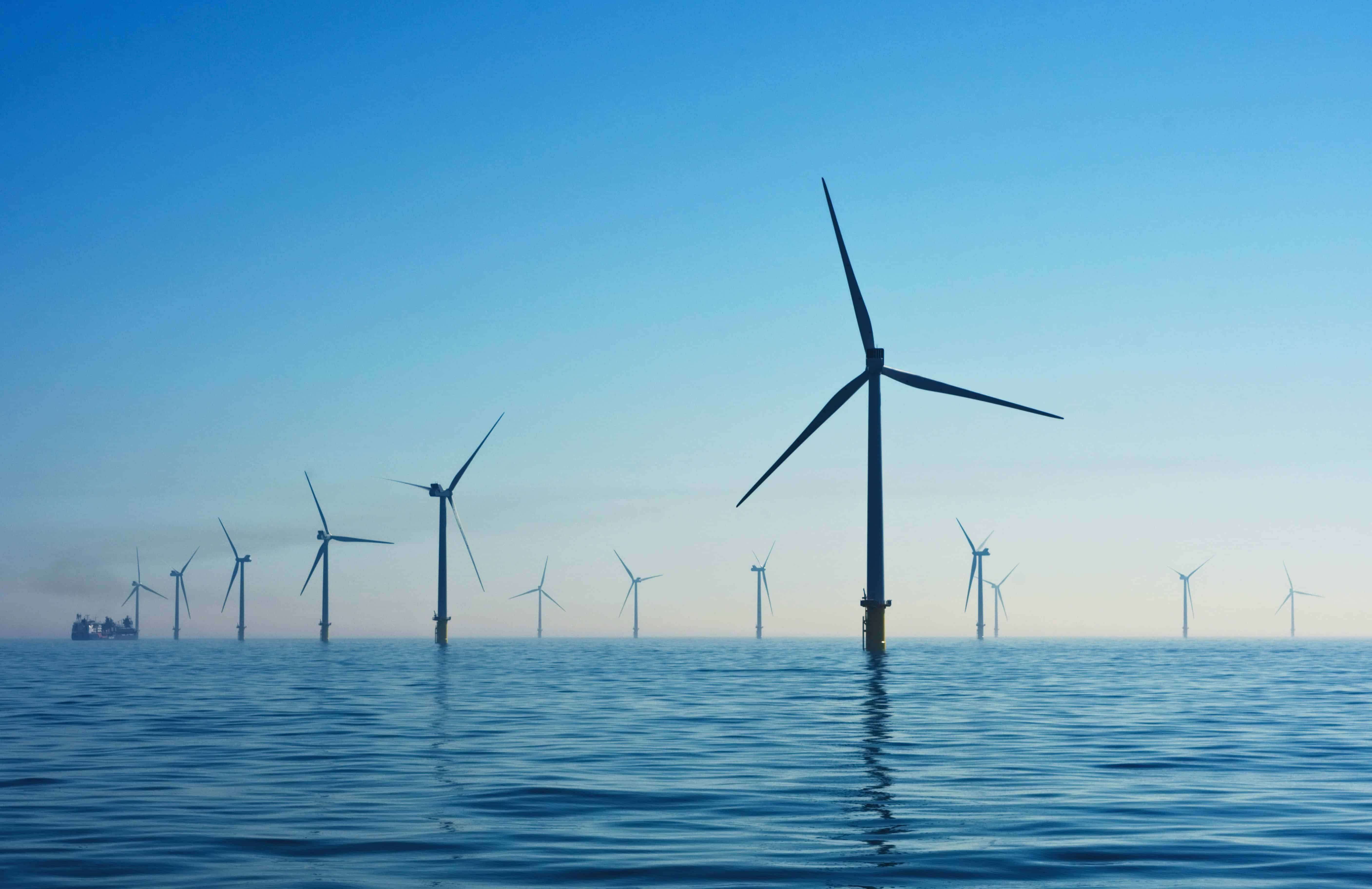
Floating offshore wind could create a significant new industrial opportunity, and solar generation continues to grow. Meanwhile, the North Sea remains strategically important to the UK’s energy security as the country manages the transition towards a lower-carbon energy system.
The implications extend well beyond energy generation. This transition could reshape demand across manufacturing, heavy industry, engineering, logistics and marine services, while creating significant opportunities for employment and economic growth in coastal communities.
For UK port infrastructure, that creates a strategic opportunity: to support the industrial development of the UK’s future energy economy.
The question is whether we are prepared to invest at the scale required to capture it.
The Infrastructure Behind the Ambition
We have no shortage of strategies, targets and announcements.
The Government’s Clean Power 2030 Action Plan sets out a substantial expansion of renewable generation, including a target range of 43-50 GW of offshore wind, 27-29 GW of onshore wind and 45-47 GW of solar by 2030. Delivering that ambition will require major investment in the infrastructure that connects generation with industry, consumers and the wider economy.
The UK’s March 2025 Maritime Decarbonisation Strategy sets an aim for domestic maritime to reach zero fuel lifecycle greenhouse-gas emissions by 2050, with at least a 30% reduction by 2030 and 80% by 2040, relative to 2008.
The scale of that transition creates opportunities well beyond electricity generation.
Floating offshore wind, for example, could support activity across heavy industry, manufacturing, fabrication, engineering, logistics and specialist marine services. It could create new demand for port estates capable of handling major components, supporting assembly and fabrication, providing suitable berthing and laydown areas, and servicing offshore assets throughout their operational lives.
Ports therefore sit at the intersection of energy policy, industrial strategy and regional economic development.
If the infrastructure cannot support the activity, the UK risks losing some of the economic value that follows it.
The UK Port Infrastructure Challenge
Many UK ports already operate with infrastructure that has served them for decades. Quays, berths, marine structures, mooring infrastructure and other critical assets were often designed around a very different generation of vessels, cargoes and industrial activity.
Meanwhile, operational demands continue to evolve.
Larger vessels, offshore energy projects, changing cargo profiles and more demanding marine operations can all place different requirements on existing infrastructure. At the same time, corrosion, deterioration, scour, weather exposure and decades of use can gradually alter the condition and capability of individual assets.
That does not mean ageing infrastructure has reached the end of its useful life.
It does, however, make understanding its current condition increasingly important.
We need to know what we already have
Future-proofing a port involves more than identifying what needs to be built. It also means understanding the infrastructure already embedded within the operation.
What condition is it in? What capacity does it retain? How has deterioration affected its performance? Do the assumptions behind its original design remain appropriate for today’s operational requirements?
These questions become particularly important when ports face major capital investment decisions.
At a time when households and businesses continue to experience significant cost pressures, infrastructure investment needs to deliver genuine long-term value. Ports must balance immediate operational requirements with major strategic investment, while also considering resilience, safety, economic, environmental objectives and future demand.
Reliable information about existing assets can support that process.
The North Sea: From Energy Security to Industrial Renewal
The UK has developed decades of offshore engineering capability through the oil and gas industry. As the energy system changes, that expertise has the potential to support offshore wind, carbon capture, decommissioning and other emerging activities alongside the remaining requirements of the existing energy sector.
The Government’s North Sea Future Plan explicitly aims to manage existing oil and gas fields through their lifespans while developing new clean-energy industries and supporting the workers, supply chains and communities built around the North Sea economy. The North Sea Future Board, established in January 2026, now brings government, industry and regional organisations together to support that transition.
That is precisely why UK port infrastructure matters.
The UK has already built much of the engineering expertise and industrial capability required to operate in the North Sea. The opportunity now is to create the infrastructure that allows those capabilities to evolve and continue generating economic value.
As offshore energy expands, ports have the potential to support manufacturing, fabrication, assembly, logistics, installation, maintenance and decommissioning.
For coastal communities in particular, that matters.
Britain’s Industrial Heritage
Britain has a remarkable industrial and maritime heritage.
Our ports once supported major shipbuilding, engineering, manufacturing and trading industries that employed generations of skilled workers and helped establish the UK’s position as an industrial power. Liverpool became a major centre of shipbuilding and maritime trade; Belfast’s Harland and Wolff yard built Titanic and many other major vessels.
There is no reason to assume that this industrial capability belongs only to our history.
The energy transition presents an opportunity to rebuild some of that capacity around new industries and technologies. If we get the infrastructure right, our ports could become important centres for the next generation of British engineering and manufacturing.
That matters strategically as well as economically.
At a time when so much discussion focuses on automation and AI and what they may mean for employment, there is a very tangible opportunity in front of us to create skilled work through infrastructure, energy and heavy industry.
Done well, investment in UK ports could strengthen regional economies while contributing to the UK’s longer-term energy security and industrial resilience.
From Strategy to Infrastructure
Of course, none of this happens simply because we identify the opportunity.
Ports need the land, quayside capacity, marine structures, transport connections and supporting infrastructure to accommodate new industries. Existing assets also need proper assessment so that owners can understand where they can continue to provide value, where strengthening or adaptation makes sense, and where replacement is necessary.
Good UK port infrastructure planning therefore needs to look both ways: towards the opportunities ahead and towards the assets already in place.
And ultimately, information only becomes valuable when it informs action.
Future-proofing UK ports could give us much more than additional capacity for the energy transition. It could help regenerate coastal economies, attract new businesses, develop skilled employment and rebuild confidence in what British industry can achieve.
We have done it before.
We know what our ports can achieve when ambition, investment and engineering capability come together. The opportunity now is to build the UK port infrastructure that allows the next generation of British industry to emerge around them.
The conversation is already happening. The question is whether we are prepared to turn it into action.
At EP Marine & Rail, we support informed infrastructure decisions through marine condition assessment, inspection and non-destructive testing, helping you understand the condition and capability of existing marine infrastructure and plan confidently for its future.