
Most wood pole inspection work starts with a straightforward question:
Can we safely assess the condition of this asset?
However, the answer is not always straightforward.
Sometimes the challenge is not the pole itself. Instead, it is where that pole stands.
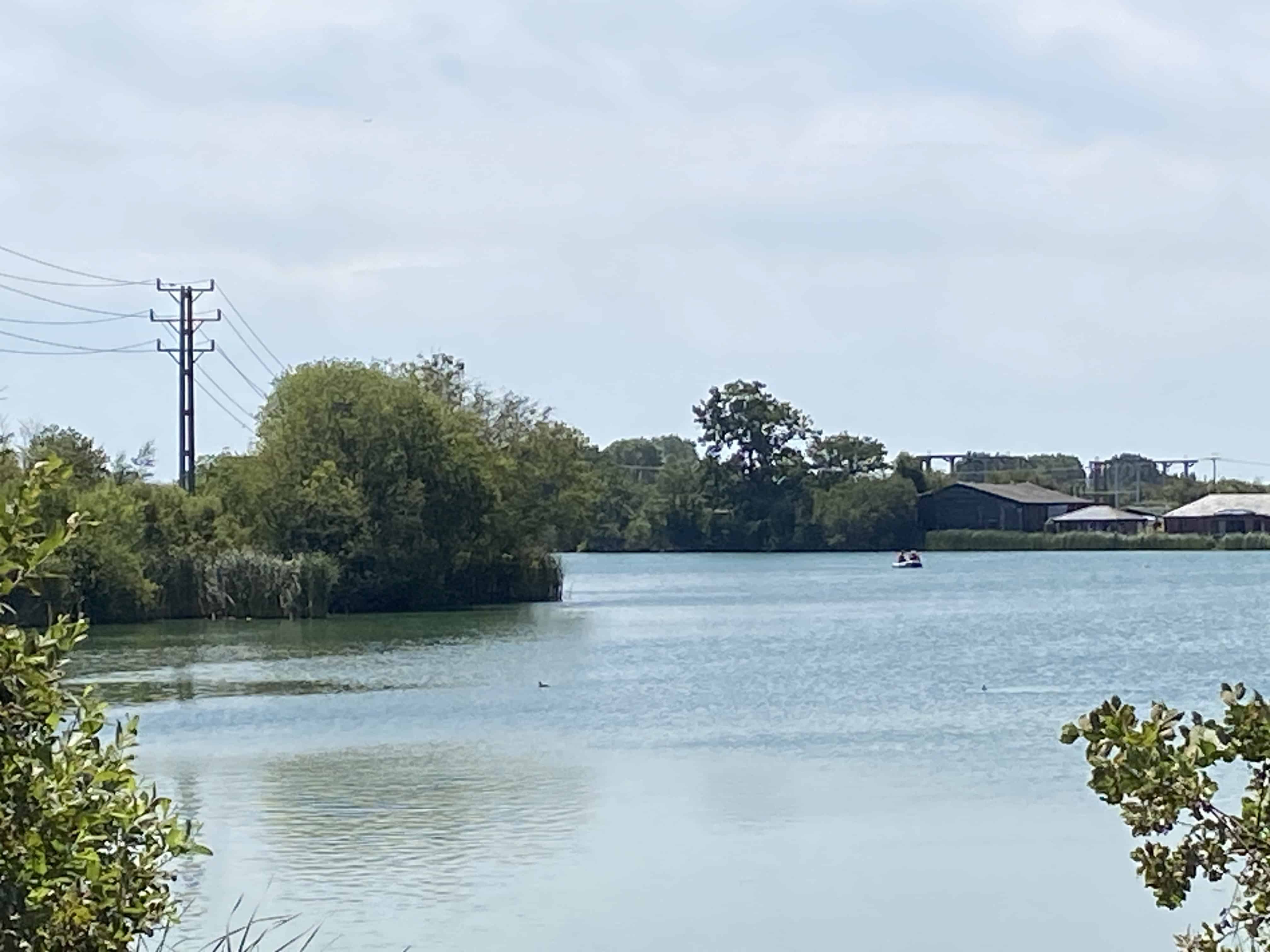
Recently, we were asked to assess a utility pole located within a body of water. On paper, it was a single asset requiring inspection. In reality, it required a different way of thinking. Traditional inspection methods were no longer practical, access had to be carefully planned, and every decision had to balance safety, engineering judgement and environmental responsibility.
For asset owners, these situations are becoming increasingly familiar. Infrastructure rarely exists in ideal locations. Consequently, inspection strategies must adapt without compromising the quality of the assessment.
When Conventional Wood Pole Inspection Isn’t an Option
Most utility professionals know that the ground line is often where the story begins. It is the critical zone for deterioration, and many established inspection techniques are built around gaining access to it.
Yet not every pole allows that approach.
Where a pole is located in water, excavation is no longer an option. Likewise, techniques that rely on drilling or exposing the below-ground section may not be appropriate or even possible. Nevertheless, the need for reliable engineering information remains exactly the same.
The question therefore changes.
It is no longer “How do we inspect this pole?”
Instead, it becomes:
“How do we obtain the information needed to support sound engineering decisions using methods that suit the environment?”
That shift in thinking is often where the real engineering begins.
Engineering Judgement Matters as Much as Equipment
Specialist equipment is important. However, equipment alone does not solve engineering problems.
Every inspection starts with understanding the operational constraints.
In this case, those constraints included water access, live overhead lines, environmental protection, safe boat operations and the practical realities of working from a small, inflatable vessel. Each influenced the inspection strategy.
Using a combination of techniques, including hammer testing and specialist equipment designed to evaluate the internal condition of timber, we were able to gather the information required without introducing unnecessary damage to the asset.
Equally important, the inspection methodology respected the environment in which the pole was located while maintaining the safety of everyone involved.
Supporting Better Asset Decisions
A wood pole inspection provides the information asset owners need to understand the condition of their infrastructure and make effective engineering decisions.
Our assessments can confirm when an asset remains suitable for continued service. They can also identify where asset owners should consider repair, reinforcement or replacement. By providing reliable condition data, we help teams make decisions based on evidence rather than assumption.
For DNOs and their delivery partners, every intervention carries wider operational implications. Teams must prioritise resources, coordinate access, maintain safety and protect network performance. Where appropriate, our inspection approach allows teams to assess asset condition without requiring planned outages, helping reduce disruption and support more efficient maintenance planning.
Accurate condition data helps asset owners target intervention where it is needed most. It supports proactive asset management, improves planning confidence and enables teams to make informed decisions about the future of their network.
No Two Poles Tell the Same Story
One of the aspects we enjoy most about this work is its variety.
One day we may be assessing poles along a roadside. The next, we could be accessing an isolated asset by boat or working in locations where standard inspection methods need to be adapted.
The principles remain consistent. Nevertheless, every site presents its own challenges.
That is precisely why a flexible approach matters.
Rather than trying to make every situation fit a standard process, we believe the inspection methodology should fit the asset, the environment and the operational requirements of the client.
Looking Beyond the Obvious
At EP Marine & Rail, we understand that our clients are not simply looking for a testing company.
They are looking for a team that understands operational pressures, appreciates the realities of maintaining ageing infrastructure and communicates clearly throughout the process.
Wood pole inspection is about far more than collecting data.
It is about providing confidence.
Confidence that the assessment has been carried out safely.
Confidence that the engineering judgement is sound.
And confidence that the information delivered will help support the next decision.
Because ultimately, every asset has a story to tell.
Our job is to help uncover it.