
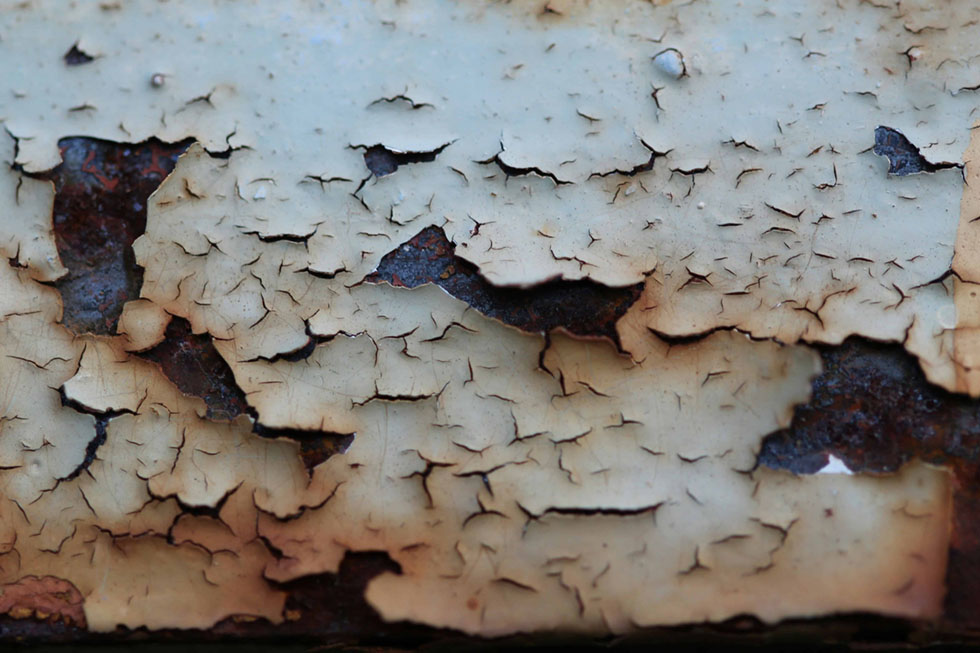
When people think of rotting wood, they usually picture a brown, crumbly mess on the surface. The reality? Most wood decay is far less obvious and far more concerning. For overhead line poles, the damage that matters is largely hidden below the ground line, gradually compromising structural integrity long before anyone notices a sagging conductor or a leaning pole.
At EP Marine & Rail, we specialise in understanding exactly what’s happening beneath the surface. We use science, precise measurement, and decades of field experience to ensure your wood poles stay safe, reliable, and in service longer.
Fungi with a Plan: The Biology of Decay
Wood pole decay is rarely a cosmetic problem. The real culprits are fungi: tiny organisms that feed on cellulose and lignin, the very building blocks of timber. Moisture, oxygen, and the occasional crack or imperfection are all they need to start their slow work.
There are three main types of decay to watch for:
- Brown rot: breaks down cellulose, leaving a brittle, crumbly structure.
- White rot: consumes both cellulose and lignin, often leaving the wood fibrous.
- Soft rot: works more slowly, usually where moisture is intermittent.
Fungi are diligent, if somewhat uninvited, structural engineers. And they’re very good at their job.
The Ground-Line Danger Zone
Here’s the part most people don’t realise: 90% of all rot occurs at the ground line, extending roughly 100 mm below.
Why? Soil contact, fluctuating moisture levels, insect activity, and occasional micro-damage from landscaping or animals all combine to make this zone the perfect environment for decay.
If a pole could speak, it would probably grumble about its knees – the part of it constantly under stress, largely ignored, and often plotting its slow exit from service.
Why Treated Wood Isn’t Invincible
Pressure-treated wood is far more resistant to decay than untreated timber, but it’s not immortal. Over time, cracks develop, treatments wear thin, and moisture finds a way in. Even the best preservative can’t prevent a determined intruder forever – especially when fungi have decades to do their work unnoticed.
Traditional Inspections: Guesswork in Disguise
Many standard inspection methods such as Resistograph, PURL ultrasonic testing, single-drill assessments have their uses, but they all share one flaw: they rarely examine the most critical zone. Small drills, above-ground measurements, or partial scans might catch obvious damage, but hidden decay at ground line is often missed.
The EP Marine & Rail Approach: Science Over Guesswork
Our method is different: we combine targeted ground-line drilling, precise shell-depth measurement, and advanced software analysis to deliver a Residual Strength Value (RSV) for each pole.
Here’s how it works:
- Three 10 mm holes are drilled at ground line, angled 45° to assess the critical 100 mm below ground.
- Shell Depth Indicators measure sound wood and detect internal decay.
- Specialist software calculates the pole’s remaining strength against original design parameters.
The result is a quantifiable, auditable, and repeatable assessment of each pole’s fitness for service. Minimal disruption, maximum insight and, crucially, no guesswork.
Data-Driven Decisions for Asset Management
Objective assessment means smarter management:
- Cost-effective pole life extension: avoid unnecessary replacements.
- Safety assurance: know the pole is fit for purpose.
- Regulatory compliance: auditable digital records support inspections and decisions.
Prevention, Monitoring, and Remedial Action
Early detection allows timely intervention. Rot-prevention paste, reinforcement, and other treatments can extend service life by up to 20 years. A little maintenance goes a long way and the benefits are measurable and long-lasting.
Understanding Wood Pole Decay Matters
Wood pole decay is an insidious threat to network reliability, safety, and infrastructure longevity. At EP Marine & Rail, we combine decades of practical experience with science-backed methods to give utilities the insight they need to make informed decisions.
If you want to know exactly what’s happening inside your poles or how to prevent hidden decay from becoming a costly problem, get in touch and we’d be happy to discuss the options available to you.