
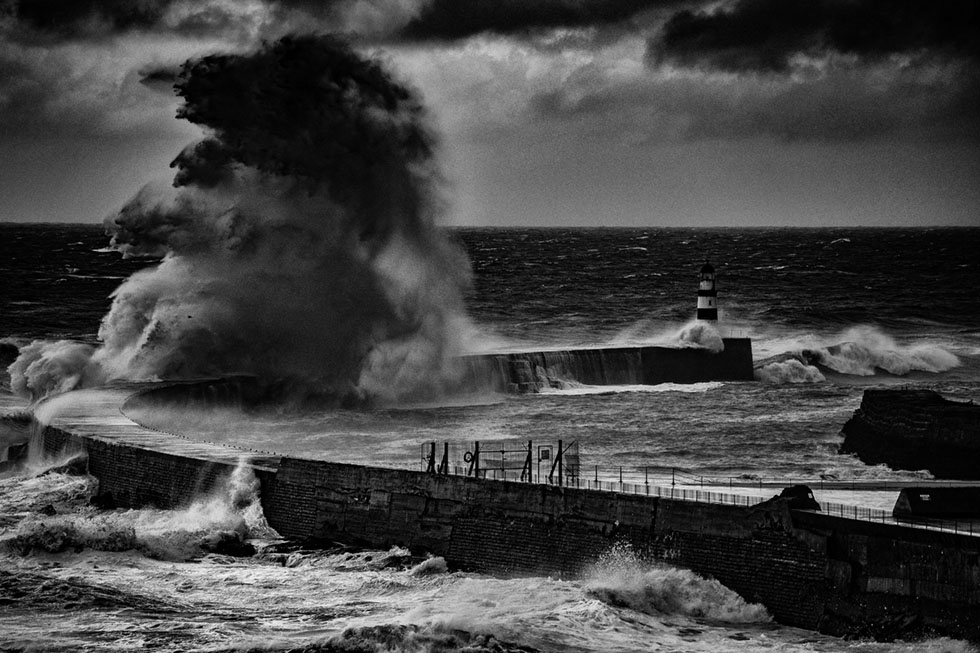
Storm Goretti recently battered the southwest coast and the Channel Islands, bringing red weather warnings, strong winds, and heavy seas. Yet, while bollards, harbour walls, jetties, and piles may look solid above water, extreme weather events like this highlight why understanding subsurface conditions of marine infrastructure is critical for safe operations and long-term asset integrity.
Hidden Risks Beneath the Waterline
Marine infrastructure may appear robust above the surface, but what lies beneath often tells a very different story. Subsurface failure risks include:
- Erosion and washout: Constant tidal movement can gradually remove supporting material around bollard bases, wall foundations, and jetty piles, weakening their hold.
- Corrosion: Saltwater and environmental exposure can degrade metal fittings or structural components hidden below the waterline.
- Buried debris or old foundations: Forgotten rubble, remnants of old structures, or poorly documented installations can compromise integrity.
- Shifting sediments: Storms, vessel movements, and tidal forces can alter seabeds, leaving some structures uneven or under-supported.
- Severe storm impact: Extreme weather events can cause sudden, catastrophic failure in assets that previously appeared safe and sound, highlighting the limits of visual inspection alone.
The consequences of these hidden risks are serious: structural failure, damage to vessels during berthing, safety hazards for dock personnel, and unexpected operational downtime.
Even assets that appear level or aligned above water can differ significantly in foundation depth or stability below. That’s why visual assessment alone is never enough – understanding subsurface conditions of marine infrastructure is essential to protect people, assets, and operations.
Mini-Case Insight
On a recent assessment at a large coastal base, our team discovered significant areas of washout within the harbour wall and differing heights of the jetty and bollards that were not visible to the naked eye. Events like Storm Goretti underline the importance of timely marine infrastructure subsurface assessment.
Our lean, specialist team uses non-destructive testing to:
- Identify hidden weaknesses without invasive pull testing
- Provide peace of mind for assets that remain sound
- Enable safe downgrading of bollards or reinforcement of piles where necessary
- Support effective, long-term asset management
For a detailed look at our approach, you can view a sample marine bollard report.
Why Non-Destructive Testing Matters
Traditional pull testing can stress or even damage older assets. By contrast, our non-intrusive techniques reveal the true condition of bollards, harbour walls, jetties, and piles, allowing harbour operators to make informed, safe decisions.
Timely subsurface assessment not only protects people and vessels but also:
- Minimises costly emergency repairs
- Supports long-term asset planning and maintenance
- Reduces operational downtime
- Helps prepare for the impact of larger vessels, rising sea levels and extreme weather
Peace of Mind Starts Below the Surface
Above-water inspections only tell part of the story. Understanding subsurface conditions ensures you’re not caught off guard, protects your infrastructure, and safeguards those who rely on it.
If you’d like to explore the condition of your marine infrastructure, our engineering team is available for a no-obligation site visit or call. Our team will assess your assets safely, efficiently, and give you guidance on any areas that need attention.