
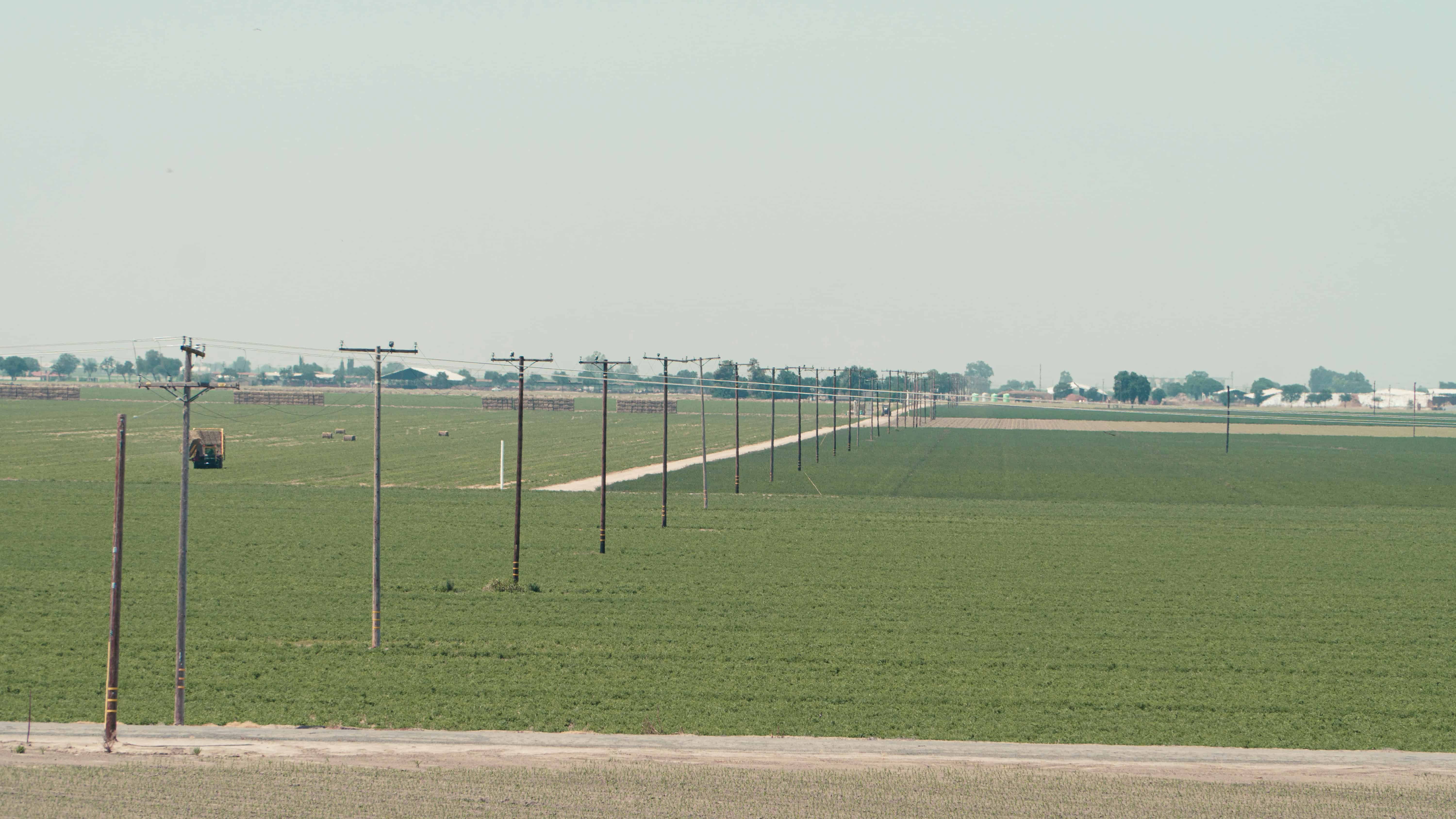
Every utility engineer responsible for a wood pole network faces the challenge of managing ageing infrastructure while maintaining safety, reliability and cost effectiveness.
For DNOs and telecoms providers, effective wood pole asset management depends on understanding the condition, structural capability and remaining service life of each asset.
Managing a wood pole network cannot rely solely on replacement cycles or asset age. Equally, extending service life without sufficient engineering evidence can introduce unnecessary risk.
A robust asset management strategy combines inspection, structural assessment, risk evaluation and long-term investment planning to determine the most appropriate intervention for each asset.
This means identifying:
- which poles require replacement
- which poles can safely remain in service
- where increased monitoring is appropriate
- where reinforcement can provide an engineered life-extension solution
The focus is moving from age-based management towards evidence-based decision making supported by reliable condition data.
Why wood pole asset management is becoming increasingly important
Wood pole networks remain a critical part of electricity distribution and telecommunications infrastructure. However, many networks include poles that have been in service for several decades and operate in increasingly challenging environments.
At the same time, utilities are managing competing pressures, including:
- ageing infrastructure
- increased network demand
- sustainability targets
- supply chain constraints
- the need to optimise capital investment
The challenge is identifying older wood poles while also understanding asset condition, assessing risk and determining where intervention provides the greatest benefit.
From Age-Based Management to Condition-Based Decision Making
Age remains an important asset management parameter. It helps identify wood pole populations, support strategic planning and highlight where further assessment may be required.
However, age alone does not determine structural integrity.
A 60-year-old wood pole installed in favourable ground conditions may retain greater residual strength than a younger pole exposed to persistent moisture, decay or increased loading conditions.
A comprehensive assessment considers multiple factors, including:
- asset age and installation records
- wood species and preservative treatment
- ground conditions
- loading and route criticality
- inspection history
- decay at ground line
- residual strength
- consequence of failure
No single parameter provides a complete assessment of wood pole condition. The value comes from combining available data to support informed engineering decisions.
Inspection programmes should support engineering decisions
Inspection is a fundamental part of wood pole asset management, but inspection findings only become valuable when they inform appropriate action.
Visual inspections remain essential for identifying external defects, deterioration and changes in condition. However, many factors affecting structural performance develop below the surface, particularly around the ground line where decay can significantly reduce strength.
A detailed assessment provides greater confidence by helping engineers understand whether an asset retains sufficient structural capacity for continued service.
By combining inspection findings with structural assessment, utilities can determine whether a wood pole requires replacement, monitoring, reinforcement or no immediate intervention.
Residual strength assessment and targeted intervention
Residual strength assessment provides a clearer understanding of remaining structural capability and helps engineers evaluate whether a wood pole remains suitable for its current operating conditions.
This means that decisions can be based on measurable condition rather than assumptions linked to age or external appearance.
Through our assessment of wood pole networks, we regularly see assets of the same age presenting very different risk profiles. One pole may retain sufficient residual strength for continued service, while another may require reinforcement or replacement due to deterioration affecting its structural capacity.
Understanding this difference allows utilities to prioritise investment towards poles presenting the greatest risk.
Reinforcement as part of a wider asset management strategy
The pressures facing modern networks have changed the approach to asset renewal.
Supply chain challenges, sustainability objectives and increasing demand for infrastructure investment have increased the importance of maximising safe service life where appropriate.
Where assessment confirms that sufficient structural capacity remains, reinforcement can provide an engineered life-extension option.
This does not replace the need for renewal where an asset no longer has adequate capacity. Instead, it provides an additional intervention option where continued service can be supported by engineering evidence.
Managing risk and consequence of failure
Wood pole networks operate in environments where conditions can change over time. Weather extremes, environmental conditions, loading changes and network demands can all influence asset risk.
Understanding these risks is a key part of responsible infrastructure management.
Recent wildfire events in the United States have highlighted the potential consequences of utility infrastructure failures during extreme weather conditions.
In the 2024 Smokehouse Creek Fire in Texas, a decayed wooden power pole reportedly failed at ground level during high winds. The failure caused the pole, cross-arm and live conductors to fall onto dry grass, creating an ignition source. The fire went on to burn more than 1 million acres across the Texas Panhandle and western Oklahoma, becoming the largest wildfire in Texas history.
Similarly, during the 2023 Maui wildfires, high winds caused ageing wooden utility poles to fail, bringing down live, uninsulated conductors onto dry vegetation. In the Lahaina and Kula areas of Maui, these failures contributed to ignition risks during extreme weather conditions, with the resulting fires destroying more than 2,200 structures and causing 115 fatalities.
The UK is also experiencing a changing risk environment. Recent summers have brought hotter, drier conditions, increasing the likelihood and severity of wildfires across parts of the country. While these events have not been linked to wood pole failures in the same way as the US examples above, they highlight the wider challenge facing infrastructure owners: assets are operating within environmental conditions that are changing.
For DNOs and telecoms providers managing extensive wood pole networks, this reinforces the importance of understanding asset condition, environmental exposure and consequence of failure. As climate conditions continue to evolve, proactive asset management becomes increasingly important in identifying risks before they become failures.
Moving towards data-led wood pole asset management
The future of wood pole asset management lies in combining multiple sources of information to develop a clearer understanding of network condition.
By bringing together:
- asset history
- inspection data
- structural assessment
- residual strength evaluation
- environmental factors
- operational risk
utilities and telecoms providers can make better-informed decisions about investment, maintenance and intervention.
For ageing wood pole networks, effective asset management is about understanding the capability of existing poles, managing risk responsibly and extending service life where engineering evidence supports it.